 LINGCORE SCI
Preprint Servers in Medical Research: Accelerating Discovery while Maintaining Rigor
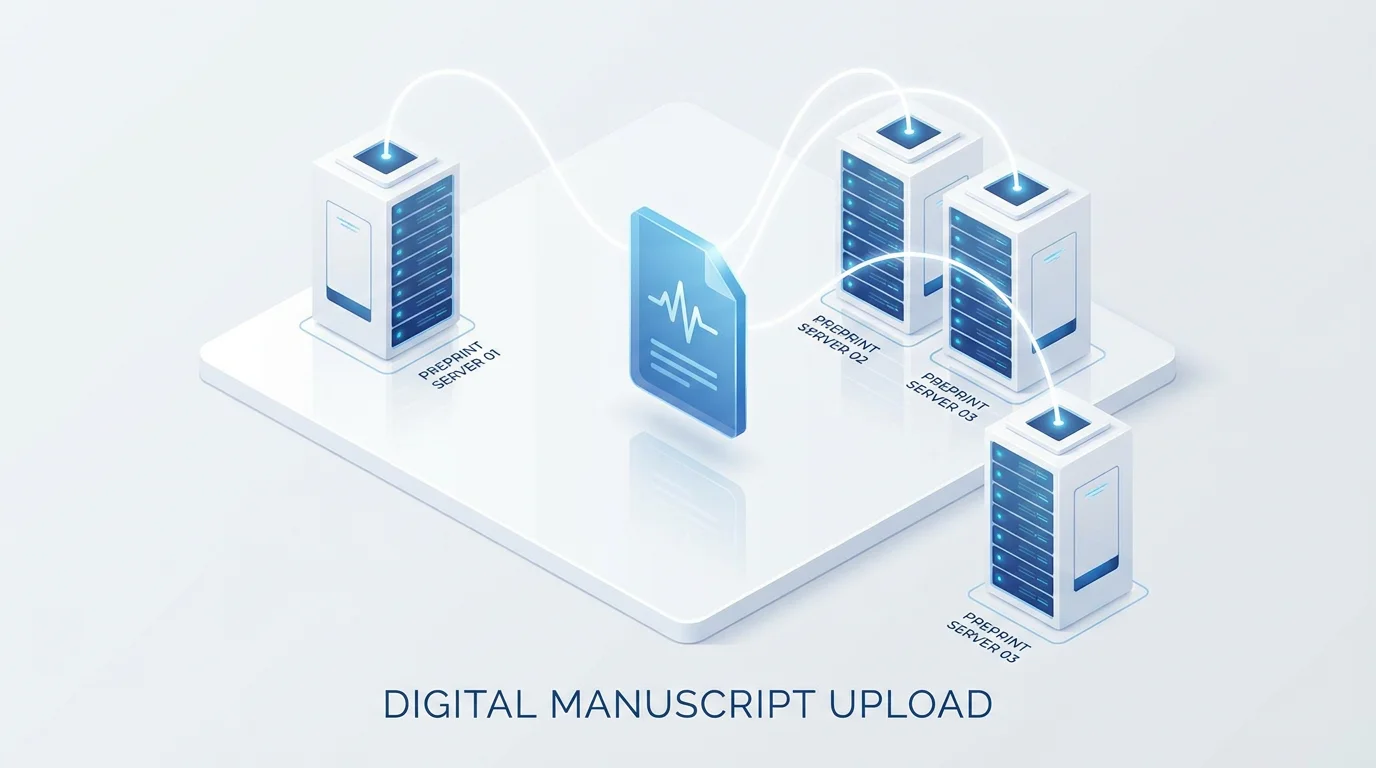
In the traditional academic workflow, the period between manuscript submission and final publication can span several months, or even years. Preprint servers have emerged as a vital solution for the early dissemination of research findings, allowing scientists to share evidence with the global community in real-time while navigating the formal peer review process.
Key Insight: Preprints allow for immediate feedback from the scientific community, which can be used to strengthen a manuscript before it undergoes formal review at a high-impact journal.
Accelerating the Evidence Cycle
For urgent clinical issues, such as emerging infectious diseases or rapid developments in oncology, the standard publication timeline is often too slow. Platforms like medRxiv and bioRxiv enable researchers to provide immediate access to data, facilitating faster collaboration and secondary analyses. This early exposure can also lead to increased citation rates once the paper is formally published.
- Priority of Discovery: Establishes a timestamped record of findings, protecting researchers against potential "scooping."
- Increased Visibility: Attracts attention from potential collaborators and funders early in the research lifecycle.
- Open Access: Ensures that findings are available to all researchers, regardless of institutional subscription status.
Maintaining Scientific Rigor
A primary ethical concern with preprints in medical research is the risk of disseminating unverified or erroneous data that could impact clinical practice. It is essential to include clear disclaimers stating that the work has not yet been peer-reviewed. Responsible researchers use preprints to invite scrutiny, not to bypass it.
Compatibility with High-Impact Journals
Most major medical publishers, including NEJM, The Lancet, and JAMA, now allow the submission of manuscripts that have been previously shared on preprint servers. However, authors must always verify individual journal policies regarding "prior publication" to ensure that a preprint does not jeopardize a formal submission.
Strategic Conclusion
Preprint servers represent a significant shift toward a more transparent and efficient scientific record. By integrating preprints into their publication strategy, researchers can balance the need for rapid dissemination with the uncompromising standards of evidence-based medicine.