 LINGCORE SCI
Navigating Peer Review: Strategic Responses to 'Revision Required' Decisions in 2026

Table of Contents
- 1. The Psychological Shift: From Defense to Collaboration
- 2. Deciphering the Decision Letter: Major vs. Minor Revision
- 3. The Golden Rule: The Point-by-Point Response Table
- 4. Mastering Professional Etiquette: The Art of the Rebuttal
- 5. Handling 'Unreasonable' Requests and Divergent Reviews
- 6. The Resubmission Checklist: Ensuring Methodological Alignment
- 7. Researcher's Toolkit: Lingcore SCI Solutions
- 8. Conclusion: The Final Bridge to Publication
In the competitive landscape of medical research in 2026, receiving a "Revision Required" decision from a high-impact SCI journal is not a setback鈥攊t is a significant milestone. It indicates that the Editor-in-Chief and the peer reviewers see inherent value in your work but require further evidence, clarity, or methodological refinement before committing to publication. However, the path from "Revision Required" to "Accepted" is paved with technical and diplomatic challenges. A poorly handled response can lead to a rejection even after months of hard work. This guide provides a strategic roadmap for medical researchers to navigate the peer review response process with academic precision and professional poise.
Core Insight: Peer review is a collaborative quality-control process, not a personal critique. In 2026, reviewers are increasingly focused on transparency, data availability, and adherence to reporting standards (like PRISMA or STROBE). Your response must reflect this shared commitment to scientific integrity.
Deciphering the Decision Letter: Major vs. Minor Revision
The decision letter is your blueprint for success. A Minor Revision typically means the science is sound, but the presentation needs polishing鈥攃larifying terminology, fixing typos, or adding a few references. A Major Revision, however, often implies that the reviewers have identified potential gaps in your methodology, analysis, or the strength of your conclusions. It may require additional experiments, re-analysis of data, or a significant restructuring of the discussion.
Regardless of the decision type, treat every comment with equal seriousness. In 2026, editorial boards are under immense pressure to maintain high standards; even a "minor" oversight in a revision can be grounds for rejection if it suggests a lack of attention to detail.
The Golden Rule: The Point-by-Point Response Table
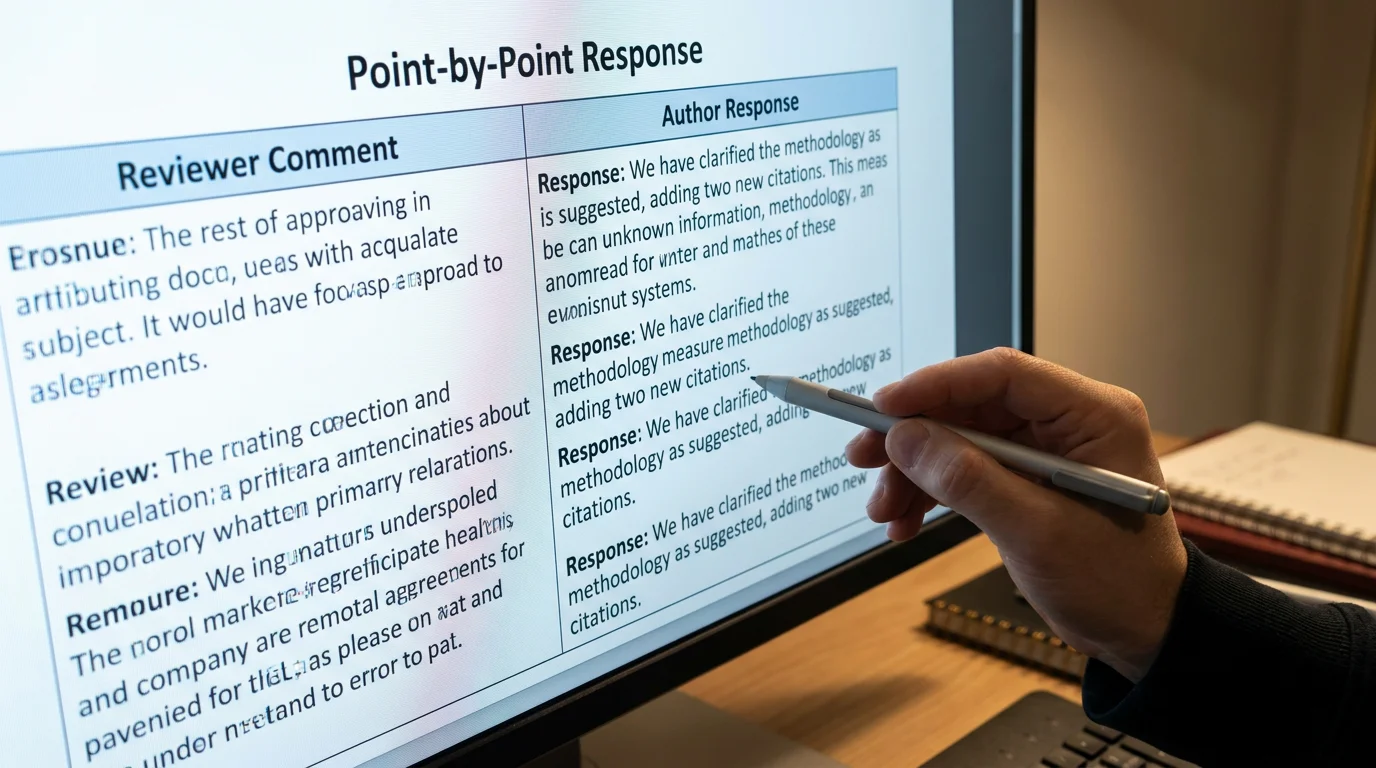
Transparency is the hallmark of professional resubmission. The most effective way to communicate your changes is through a structured Point-by-Point Response Table. This format allows the editor and reviewers to see exactly how you addressed every single critique without having to hunt through the revised manuscript.
Best Practices for the Response Table:
- Quote the Reviewer: Copy the reviewer's comment exactly. Do not paraphrase, as this can inadvertently change the meaning and annoy the reviewer.
- State Your Action: Begin your response with a clear statement like "We agree with the reviewer and have added..." or "We have revised the text on page X to clarify...".
- Provide the Context: Include the specific line and page numbers of the revised manuscript where the changes can be found. In 2026, many journals prefer a "Track Changes" version alongside a "Clean" version; ensure your line numbers refer to the clean version.
- Show the Change: For minor text changes, it is often helpful to paste the new text directly into the response table.
Mastering Professional Etiquette: The Art of the Rebuttal
Professionalism is your strongest ally. Even if a reviewer's comment seems overly harsh or misguided, your response must remain respectful, objective, and appreciative. Start your response letter by thanking the editor and reviewers for their time and constructive feedback. Phrases like "We appreciate the reviewer's insightful comment" or "This is an important point that has allowed us to strengthen our manuscript" set a collaborative tone.
Handling 'Unreasonable' Requests and Divergent Reviews
What if a reviewer asks for an experiment that is outside the scope of your study, or if Reviewer 1 and Reviewer 2 provide contradictory advice? This is where strategic rebuttal is necessary.
If you cannot fulfill a request, do not simply say "No." Provide a scientifically sound justification. For example, explain why a requested sub-analysis would result in an underpowered study, or why a specific methodology is not feasible given the existing data. If reviewers disagree, state the conflict clearly and explain why you chose to follow one path over the other, ideally citing the editor's preference or established reporting standards.
The Resubmission Checklist: Ensuring Methodological Alignment
Before you hit 'Submit' on your revision, ensure you have addressed the "hidden" requirements of 2026 SCI publication:
- Adherence to Guidelines: Did a reviewer ask you to clarify your reporting? Ensure your revision strictly follows the relevant checklist (e.g., CONSORT for trials, STROBE for observational studies).
- Data Availability: Many journals now require a link to a data repository or a detailed data sharing statement. Ensure this is updated in the revision.
- Conflict of Interest: Reviewers sometimes identify potential conflicts that were not clearly disclosed. Verify that your funding and disclosure statements are exhaustive.
- Language and Purity: In 2026, high-impact journals have zero tolerance for AI-generated fluff or non-standard formatting. Ensure your English is academically rigorous and your HTML/formatting is pure.
Researcher's Toolkit: Lingcore SCI Solutions
The revision phase is often the most stressful part of the publication journey. At Lingcore SCI, we have developed a suite of tools specifically designed to help you transform reviewer critiques into a stronger, accepted manuscript.
Elevate Your Resubmission with Lingcore SCI
Ready to bridge the gap from revision to acceptance? Access our specialized AI-driven tools for medical researchers:
- Paper Analyzer: Upload your reviewer comments and your revised draft. Our AI audits your point-by-point response for completeness and professional tone, ensuring you haven't missed a single critique.
- Review Builder: Need to find specific evidence to support a rebuttal? Use our engine to quickly identify recent SCI publications that validate your methodological choices.
- Journal Matcher: If a revision decision leads you to realize your work is better suited for a different tier, our matcher identifies journals that align with your updated evidence and scope.
Conclusion: The Final Bridge to Publication
Peer review is the fire that tempers the steel of scientific knowledge. While the process can be demanding, a well-handled revision significantly increases the authority and impact of your published work. By approaching the response phase with a structured, professional, and evidence-based strategy, you demonstrate the methodological rigor that defines a leading researcher in 2026. At Lingcore SCI, we are committed to being your partner through every stage of this journey, ensuring that your research achieves the recognition it deserves in the global medical community.
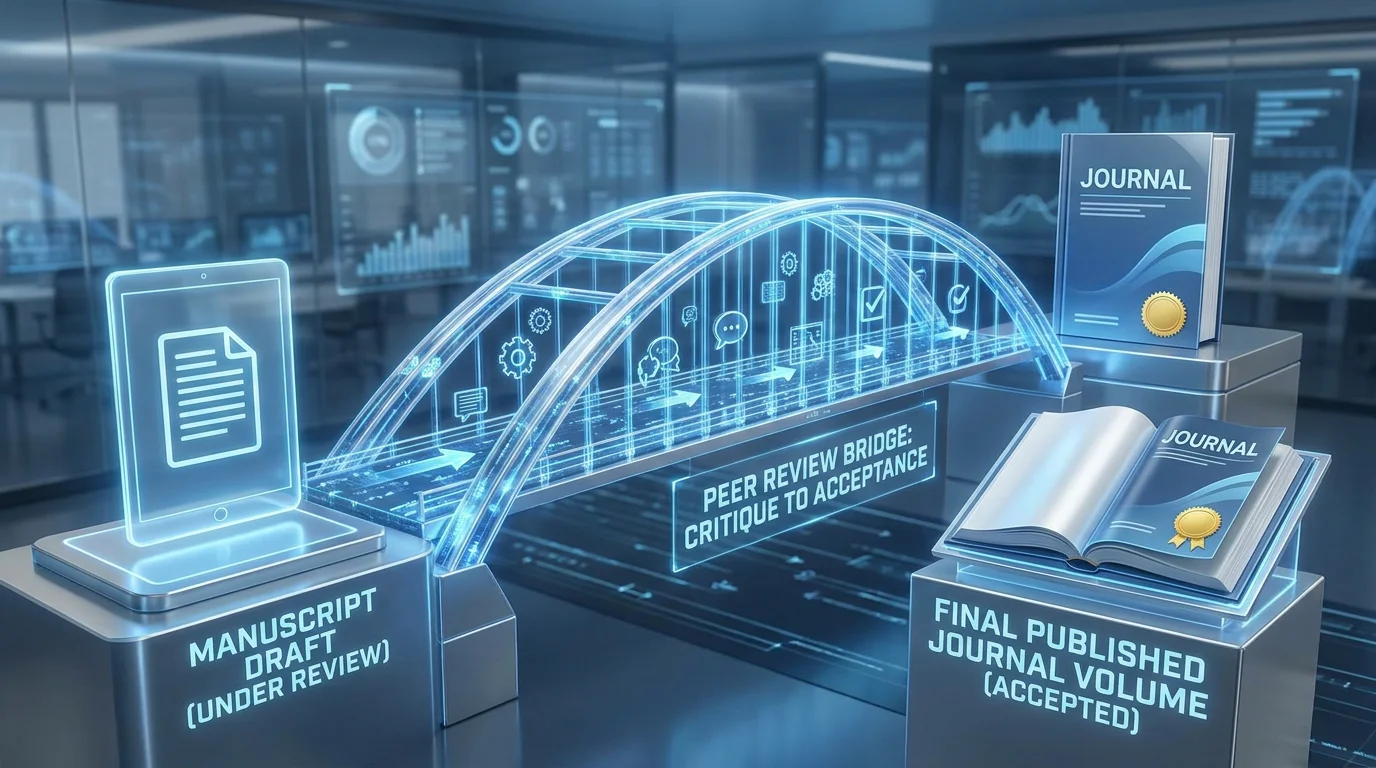
As you draft your next response letter, remember: every comment is an opportunity to clarify your science and strengthen your bridge to publication. Be precise, be polite, and let the data speak for itself. Together, let's advance the standards of medical evidence synthesis.